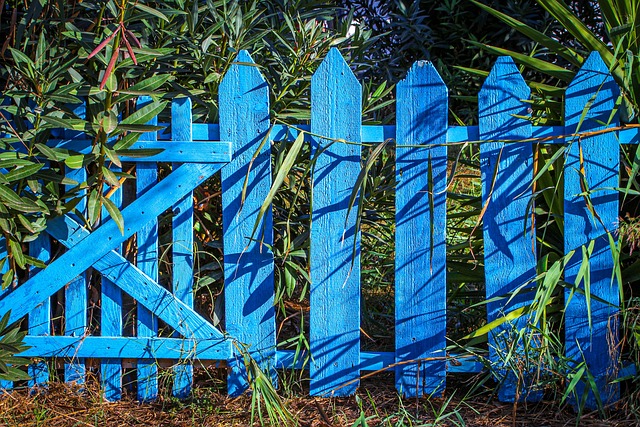
Maintaining a privacy fence is an essential aspect of homeownership, offering both security and aesthetic appeal. For New Bedford residents, ensuring your fence remains in top condition requires a thoughtful approach. This article guides homeowners through the intricacies of privacy fence care, from understanding its purpose to implementing regular cleaning routines and seasonal maintenance. By mastering these tips, you’ll extend the lifespan of your fence while safeguarding your home’s private sanctuary.
- Understanding Your Privacy Fence's Purpose
- Regular Cleaning and Maintenance Routine
- Inspect for Damage and Wear
- Proper Repair Techniques for Different Materials
- Seasonal Care Tips for Optimal Lifespan
- Professional Assistance: When to Consider It
Understanding Your Privacy Fence's Purpose
A privacy fence is more than just a structural barrier; it serves as a haven for homeowners, offering a sense of seclusion and security in their outdoor spaces. For New Bedford residents, maintaining this essential feature is crucial to preserving its functionality and aesthetic appeal. Understanding the purpose of your privacy fence goes beyond recognizing its role in blocking prying eyes. It involves appreciating how well-maintained fences contribute to property value, enhance outdoor comfort, and provide a safe environment for families and pets.
Regular upkeep ensures that your privacy fence remains effective, extending its lifespan while keeping it looking its best. By addressing issues promptly—from loose panels to damaged posts—you can prevent minor problems from escalating into costly repairs. Moreover, proper maintenance demonstrates a commitment to the overall health of your property, making it an attractive investment for prospective buyers should you ever decide to sell.
Regular Cleaning and Maintenance Routine
Keeping your privacy fence clean and well-maintained is essential for its longevity and to preserve its aesthetic appeal. Homeowners in New Bedford should aim to establish a regular cleaning routine, ideally once or twice a month during spring and summer months when the fence is most exposed. This routine should include hosing down the fence to remove dirt, leaves, and other debris accumulated over time.
Using a soft-bristled brush can help scrub away any stubborn stains or algae growth. For wooden fences, applying a fresh coat of sealant every year will protect it from the elements and ensure its color remains vibrant. Metal fences might require occasional painting to prevent rusting, while vinyl fences benefit from regular cleaning with mild soap and water to maintain their glossy finish. Regular maintenance not only improves the fence’s appearance but also ensures any issues are caught early, making repairs more straightforward and cost-effective.
Inspect for Damage and Wear
Regularly inspecting your privacy fence for damage and wear is an essential part of maintenance. New Bedford’s unpredictable weather can take a toll on outdoor structures, so it’s crucial to stay on top of potential issues. Look for any signs of rot or decay, especially in wooden fences, as these materials are more susceptible to environmental factors. Check for loose or missing pickets, rails that are warped or bent, and any visible cracks or splits in the fence posts.
Don’t forget to examine the fence’s foundation and the area around it. Ensure that the fence is securely attached to its anchors and that the ground around it is stable. Over time, movement in the soil can cause shifts in the fence’s position, leading to uneven or loose sections. Regular inspections allow you to address these issues promptly, preventing minor problems from turning into major repairs.
Proper Repair Techniques for Different Materials
When it comes to maintaining your privacy fence, understanding proper repair techniques for different materials is key. For wooden fences, regular inspection and prompt repairs are essential to prevent extensive damage. Look for rot or insect infestation and treat them immediately with suitable preservatives or replacement boards. Metal fences require a different approach; check for rust or corrosion, and consider painting or using protective coatings to extend their lifespan.
For vinyl fences, which are popular choices due to their low-maintenance nature, keep an eye out for cracks or splits. These can often be repaired easily with specialized adhesives or fillers. Concrete fences, known for their durability, may still require attention. Fill any gaps or cracks with concrete patch compounds and ensure the surface is smooth for a seamless look. Regular cleaning and sealing will protect these materials from environmental factors, ensuring your fence stays strong and secure.
Seasonal Care Tips for Optimal Lifespan
Regular seasonal care is essential to extending the lifespan of your privacy fence. In the spring, inspect your fence for any damage incurred during winter, such as broken or loose boards, and make repairs promptly. This is also a good time to clean the fence using a pressure washer or brush to remove built-up dirt and debris.
During summer, ensure regular maintenance by keeping the fence painted or sealed, especially in areas exposed to direct sunlight or moisture. In autumn, prepare for the changing seasons by applying a protective coating or sealant to guard against frost, snow, and freezing temperatures. Lastly, winter requires minimal care beyond ensuring the fence is secure and well-braced against potential storms and heavy snowfall.
Professional Assistance: When to Consider It
Privacy fences are a significant investment for any homeowner, and proper maintenance is key to ensuring their longevity. While regular cleaning and inspections are within most homeowners’ capabilities, certain tasks may require professional assistance. Over time, fences can develop complex issues like rot, warped panels, or damage from weather events. If you notice signs of severe deterioration, it’s time to consider hiring a professional fence contractor.
Professionals have the expertise and equipment to handle even the trickiest repair jobs, ensuring your fence is restored to its original condition or replaced if necessary. They can also provide valuable advice on maintenance practices tailored to your specific fence material and local climate conditions, helping you make informed decisions to protect your investment in the long run.