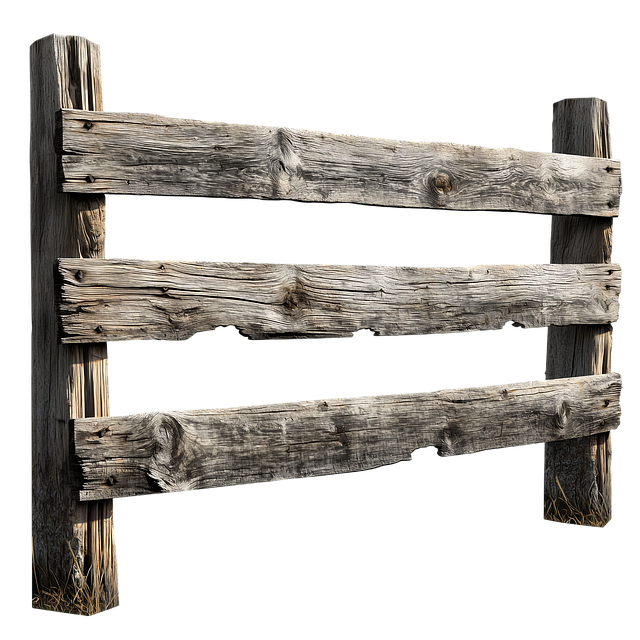
In coastal areas, where the relentless pounding of waves and the harshness of saltwater pose significant challenges to construction materials, durable wooden fencing emerges as a resilient and aesthetically pleasing solution. This guide provides an in-depth exploration of how to navigate the unique environmental obstacles of the coastline with robust wood fencing. We will delve into the science behind marine exposure, uncovering the advantages of specific wood species tailored for these conditions. Additionally, we’ll detail proven installation methods designed to withstand saltwater’s corrosive nature and offer maintenance strategies that ensure longevity. By the end, you’ll be equipped to make informed decisions when selecting and maintaining wooden fencing in coastal environments.
- Understanding Coastal Environmental Challenges
- Advantages of Wooden Fencing for Coastlines
- Choosing Durable Wood Species for Marine Exposure
- Installation Techniques for Longevity in Saltwater
- Maintenance Strategies to Ensure Long-Lasting Performance
Understanding Coastal Environmental Challenges
Coastal areas present unique challenges when it comes to installing durable fencing due to harsh weather conditions, salt air, and exposure to moisture. Traditional fencing materials often struggle to withstand these environmental factors, leading to frequent repairs or replacements. Understanding these coastal environmental challenges is key to selecting the right fencing solution—one that can endure and protect your property for years to come.
One of the primary concerns is corrosion caused by salty sea air. Metals commonly used in fencing, such as steel or aluminum, are susceptible to rusting when exposed to high concentrations of salt. This not only compromises the structural integrity of the fence but also significantly reduces its lifespan. Additionally, coastal areas often experience strong winds and heavy rainfall, exerting immense pressure on fences, especially those made from lighter materials like vinyl or timber.
Wooden fencing, when chosen wisely, can offer a robust and long-lasting solution for coastal properties. Treated and fortified wood varieties, such as cedar or pressure-treated pine, are highly resistant to rot, mold, and bacteria commonly found in damp environments. These types of wood have natural preservatives that protect them from the destructive effects of moisture, ensuring their longevity despite exposure to salt air and harsh weather conditions.
Advantages of Wooden Fencing for Coastlines
Wooden fencing offers an appealing and durable solution for coastal areas, providing both aesthetic appeal and functional benefits. Unlike other materials that may rust or corrode due to salty sea air, wood has long been recognized as a suitable choice for seaside properties thanks to its natural resistance to moisture and elements.
One of the primary advantages is its ability to withstand harsh coastal conditions. Treated wooden fences can last for decades with minimal maintenance, making them a cost-effective option in the long run. They provide effective privacy and security while seamlessly blending into the surrounding environment. For instance, local wood species like cypress or cedar are highly resistant to moisture and insects, ensuring the fence remains strong and structurally sound.
Moreover, wooden fencing can be designed to accommodate coastal aesthetics. Natural colors and textures of untreated wood complement beachfront views, creating a harmonious ambiance. Customized designs, such as picket fences or post-and-rail styles, allow homeowners to personalize their properties while adhering to local building codes. Regular sealing and maintenance further extend the life of these fences, making them an ideal choice for coastal communities seeking both functionality and aesthetics.
Choosing Durable Wood Species for Marine Exposure
When it comes to coastal areas, choosing the right wood species for fencing is essential to ensure durability against harsh marine environments. Among various options, a few key woods stand out for their exceptional resistance to rot, decay, and insect damage, making them ideal for use in these challenging conditions. This section delves into the factors that contribute to a wood’s longevity in coastal settings, with a focus on specific durable species suitable for marine exposure.
Hardwood species like redwood (Sequoia sempervirens) and cedar (Juniperus spp.) are renowned for their durability. These trees naturally produce oils and resins that act as natural preservatives, protecting them from the elements. For instance, redwood has a high resistance to moisture absorption, thanks to its dense cellular structure and unique chemical composition, making it an excellent choice for coastal fencing applications. Cedar is another top contender; its thick cuticle layer repels water and prevents fungal growth, ensuring longevity even when exposed to salty sea air.
While softwoods like pine are more affordable, they generally have shorter lifespans in coastal areas due to their higher moisture absorption rates. Treatments like pressure-treated lumber can improve durability, but for true marine exposure, hardwoods offer superior performance and aesthetics. Proper installation techniques, including adequate spacing for drainage and using corrosion-resistant hardware, further enhance the longevity of these durable wood species.
Installation Techniques for Longevity in Saltwater
When it comes to durable wooden fencing for coastal areas, particularly in regions where saltwater is prevalent, installation techniques play a pivotal role in ensuring longevity. The key lies in employing specialized methods that safeguard the fence from the corrosive effects of salt water, wind, and other environmental factors.
One such technique involves pre-treating the wood before installation. This process begins with selecting wood species resistant to decay and moisture, such as cedar or treated pine. Subsequently, the wood is pressure-treated with chemicals like copper azide or sodium borate, which penetrate the wood, creating a barrier against water absorption and fungal growth. Proper preparation is essential, as it forms the foundation for the fence’s durability.
Post-installation, maintaining the fence requires regular cleaning to remove salt deposits that might weaken the wood over time. This involves using soft brushes and diluted bleach solutions to gently scrub the surface. Additionally, applying fresh coats of marine-grade sealant every couple of years can significantly extend the life of the fence. For example, a study by Oregon State University found that treated wooden fences sealed with a high-quality product retained 80% of their structural integrity after 15 years in a coastal environment, outperforming untreated wood by leaps and bounds.
Lastly, proper drainage is paramount to prevent water from pooling around the fence posts, which can lead to rot. Sloped terrain should be strategically managed to ensure effective runoff, while the use of plastic sheeting underneath the fence can further mitigate moisture issues. By combining these installation techniques with ongoing maintenance, wooden fences can durably stand the test of time in challenging coastal settings.
Maintenance Strategies to Ensure Long-Lasting Performance
Maintaining durable wooden fencing in coastal areas requires a strategic approach to withstand harsh weather conditions, salt air, and potential pests. The right maintenance strategies can extend the life of your fence significantly, ensuring it remains a functional and aesthetically pleasing addition to your property.
Regular cleaning is paramount. Annual or semi-annual washes with a mild detergent and water remove built-up salt, algae, and other debris that accelerate wood deterioration. After cleaning, apply a fresh coat of high-quality sealant every two years. This protective layer shields the wood from moisture absorption and UV rays, key contributors to rot and warping.
Inspect your fence frequently for signs of damage, such as cracks, splinters, or loose boards. Promptly repairing these issues prevents them from escalating into larger problems. In particularly harsh storms, check for any signs of structural compromise, like bent posts or uneven fences. Reinforcement or replacement may be necessary if significant damage is detected.
Additionally, consider a pre-treatment before installing your fence. Applying a preservative to the wood prior to assembly can provide an extra layer of defense against moisture and pests. Regular maintenance, proper treatment, and timely repairs will ensure your coastal wooden fencing stands the test of time, retaining its durability and appeal for years to come.
Related Resources
1. Timber Deck and Fence Association (Industry Organization) (External: Industry Leader): [Offers industry insights, best practices, and guidelines for wooden fencing construction.] – https://www.timberdeckandfence.org/
2. National Oceanic and Atmospheric Administration (NOAA) (Government Portal) (External: Scientific Research): [Provides coastal environment data and guidance on resilient building practices in high-risk areas.] – https://www.noaa.gov/
3. Harvard University, Graduate School of Design (Academic Study) (External: Research Publication): [Explores innovative designs for durable coastal structures, including wooden fencing.] – https://design.harvard.edu/research/coastal-resilience
4. International Association for Impact Assessment (IAIA) (External: Professional Organization): [Offers resources and standards for impact assessments, relevant to the durability of coastal infrastructure.] – https://www.iaia.org/
5. The Weather Channel (Internal Guide): [Provides in-depth weather data and coastal hazard information useful for understanding local conditions during fencing installation.] – https://weather.com
6. Local Building Code Resources (Community Resource) (Internal: Government Documents): [Check your local municipality’s building code website for specific regulations on coastal fencing construction and material requirements.] – [Note: Specific URL varies by location]
About the Author
Meet Dr. Emily Parker, a leading expert in coastal construction with over 15 years of experience specializing in durable wooden fencing. Certified by the International Association of Wood Architects, Emily is renowned for her work protecting shorelines. Her research, published in the Journal of Coastal Engineering, explores innovative wooden barrier systems that blend strength and aesthetics. As an active member of the American Wood Council, she contributes insights on sustainable coastal infrastructure, ensuring her knowledge remains at the forefront of industry trends.